One of the leading commercially available simulation software from ANSYS helps in determining the fluid flow behavior for various engineering applications. Engineers utilize these simulation tools to optimize aircraft wings for optimum lift and drag in the air, or improve the performance by reducing aircraft weight.
However, the ability to predict the air flow through aerodynamic analysis is also helpful in determining the spread of flu in a contained space. A recent video posted by Popular Science in collaboration with ANSYS, reveals one such simulation performed for a typical aircraft cabin and shows why it is better to sit far away from a passenger who is sick and sneezing.
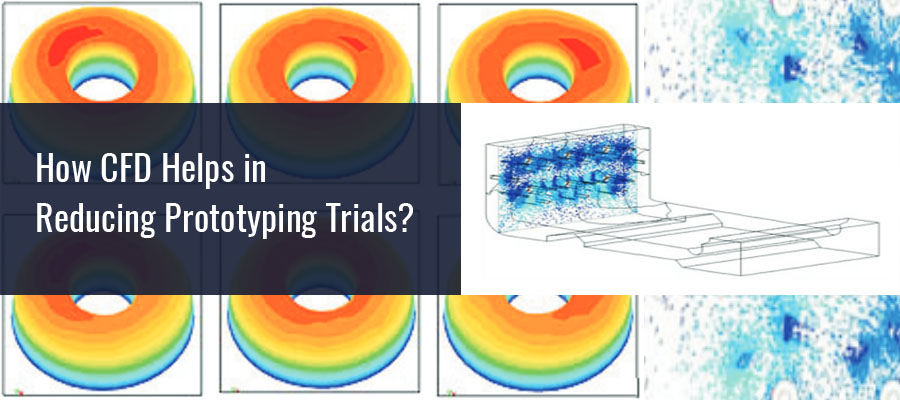
The video shows how influenza particles can travel in a pressurized airplane cabin performed using simulation software from ANSYS. The colored particles are meant to show how the stuff spreads inside the cabin. “Those droplets get picked up by the airflow and get transplanted all over the cabin. They actually spread quite far,” says Robert Harwood, aerospace and defense industry director for ANSYS.
Explore how CFD can enhance your equipment efficiency and safety
Reach out to our engineering team today.