Combating Heat in Automobiles Using Computational Fluid Dynamics

Combating Heat in Automobiles Using Computational Fluid Dynamics
Automobiles are largely composed of components that directly or indirectly possess relationship with heat transfer. Although heat is essentially required to churn out power from the engine, rest of the components are being incorporated to accommodate or transfer the generated heat, once it completes the job of producing necessary power.

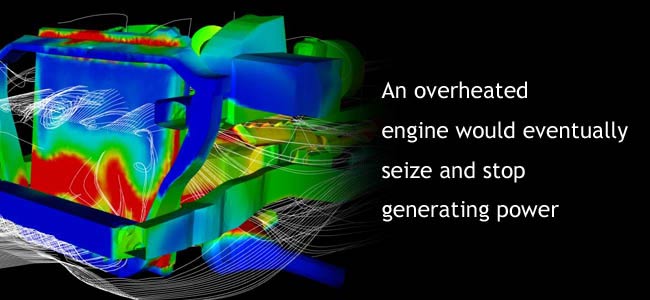
The efficiency of the automobile is largely dependent on successful utilization as well as evacuation of the heat from different components apart from the engine. Once the heat becomes uncontrollable, the components can get damaged and affect the overall performance. An overheated engine would eventually seize and stop generating power, requiring an effective cooling system. Cooling system on the other hand relies on effectiveness of the coolant and radiator.

Explore how CFD can enhance your equipment efficiency and safety

Reach out to our engineering team today.

Talk to our CFD experts
Author Mehul Patel

About Author: Mehul Patel specializes in handling CFD projects for Automobile, Aerospace, Oil and Gas and building HVAC sectors. He works as a CFD consultant with Hi-Tech CFD for the past 5 years and has successfully executed numerous CFD projects of high complexities. He is an expert in turbo-machinery, gas dynamics, Combustion, Fluid Dynamics, multiphase flow analysis, computational fluid dynamics etc. Mehul is comes forth as a very simple and warm person. Clarity of thought and a willingness to share knowledge makes him a great team player. He is a voracious reader, and is always keen to upgrade and update himself with the latest CFD software tools and other developments. He is very observant and this quality combined with CFD expertise, helps him detect and mitigate design flaws for improved product performance.